
The menstrual cycle explained for men (and anyone who loves someone with one)
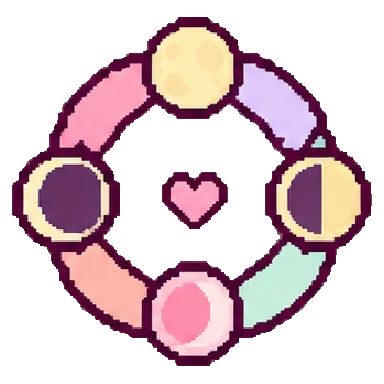
A menstrual cycle runs from the first day of one period to the day before the next, usually 21 to 35 days. It has four phases: the period, the follicular phase (energy rises), ovulation (often the most social days) and the luteal phase (PMS can arrive). Hormones shift across all four, so mood and energy often follow a monthly rhythm.
The 60-second version
A cycle starts on day 1 of a period and ends the day before the next one. In adults a normal cycle is anywhere from 21 to 35 days, and it's normal for it to shift by a few days from month to month. Across the cycle, two main hormones, estrogen and progesterone, rise and fall. Those changes don't just run the reproductive system; for many people they also nudge energy, mood, sleep, appetite and sex drive.
Here's the important bit for partners: not everyone feels the same thing at the same time. The phases below describe what's common. The only expert on her cycle is her.
The four phases, week by week
| Phase | What's happening | What often helps from you |
|---|---|---|
| Period | Lining sheds, cramps, low energy | Heat pad, food, rest, taking chores |
| Follicular | Estrogen rising, energy returning | Plans, dates, new things together |
| Ovulation | Estrogen peaks, fertile window | Enjoy it. Be aware of fertility if relevant |
| Luteal | Hormones fall before the period | Patience, fewer big demands, more sleep |
Why the luteal phase matters most for partners
More than 9 in 10 women report at least some premenstrual symptoms, according to the US Office on Women's Health. They usually start about 5 to 10 days before the period and ease within a few days of it starting. Common ones include irritability, sadness, anxiety, tiredness, bloating, sore breasts and cravings.
PMS isn't someone being dramatic. Research suggests that some people's brains are more sensitive to the normal hormone drop, which affects mood chemicals like serotonin. For a small minority (up to about 5%), symptoms are severe enough to be PMDD, a treatable condition. See PMDD and relationships.
Treat the cycle like weather, not personality. A grey week isn't a verdict on your relationship, and planning for it (an easier calendar, more help at home) is one of the most loving things you can do.
Common myths, cleared up
- "Every cycle is 28 days." Only a minority are exactly 28. Anything from 21 to 35 days is normal in adults.
- "Ovulation is always day 14." It depends on cycle length. In a 32-day cycle it's usually around day 18.
- "Women can't get pregnant on their period." Less likely, but possible, especially with short cycles. Period tracking is not contraception.
- "PMS is all in her head." It's a recognized set of symptoms tied to hormone changes. It's real.
- "Periods are dirty." Menstrual blood is just blood and tissue. No need to be weird about it.
How to actually use this
- Ask her which parts of the cycle are hardest for her, and what helps. Do this on a good day.
- Learn her rhythm, not the textbook one. Some people breeze through PMS and struggle on day 1; others are the opposite.
- Adjust quietly. Lighter plans in her harder week, more help at home, no "is it that time?" comments.
- Respect privacy. Her cycle is her information. If she chooses to share it, great; if not, that's her call.
If she uses Lulu and chooses to share, partner sync shows you her cycle day, phase and next period, with tips on how to help. If she turns them on, you also see today's mood and tomorrow's forecast, and her fertile window when she's trying to conceive. Her symptoms, notes and history stay private. You can also play with our what phase am I in tool to see how the phases line up with dates.
When something's not right
Partners are often the first to notice changes: periods that suddenly get much heavier, pain that cancels plans every month, or low mood that doesn't lift after her period. Raising it gently, on her side, can make a real difference.
Encourage a doctor's visit for cycles regularly shorter than 21 days or longer than 35, periods that stop for 3 months or more (without pregnancy), very heavy bleeding (changing products every 1 to 2 hours), severe pain, bleeding between periods or after sex, or premenstrual mood changes that disrupt daily life.
Frequently asked questions
How long is a woman's cycle?
In adults, anywhere from 21 to 35 days is normal, measured from the first day of one period to the day before the next. The period itself usually lasts 2 to 7 days.
When is a woman most fertile?
In the fertile window: the five days before ovulation and the day of ovulation. Ovulation usually happens 12 to 14 days before the next period.
Why are women moody before their period?
Estrogen and progesterone fall in the luteal phase, and in people sensitive to those changes this affects mood chemicals like serotonin. It usually eases a few days into the period.
Should men learn about the menstrual cycle?
Yes. Understanding the basics makes you a kinder, better-timed partner, and helps you spot when something might need a doctor.
Sources
- Cleveland Clinic: Menstrual cycle
- Office on Women's Health: Your menstrual cycle
- Office on Women's Health: Premenstrual syndrome (PMS)
- NHS: Periods
This page is for information only and isn’t medical advice. If something worries you, please talk to a doctor.
Keep reading
The 4 phases of the menstrual cycle, in colorThe 4 phases of the menstrual cycle explained simply: what your hormones do in each, how long each lasts, and how mood and energy usually change. How to support your wife or partner with PMSHow to support a partner with PMS: what's happening in her body, what helps in the week before her period, what to avoid, and when it might be more than PMS.
 How Lulu partner sync works: share your cycle with your partner, privatelyHow to share your cycle with a partner in Lulu: the invite, what your partner sees, what stays private, and how to stop sharing. No Lulu server involved.What phase of my cycle am I in? Free phase finderWhat phase of my cycle am I in? Enter your last period to see your cycle day, today's phase and how people often feel in it. Private and instant.
 Menstrual cycle mood: how you feel in each phase, and whyHow menstrual cycle mood changes through all four phases: what hormones do, why some people feel it more, and how to learn your own pattern.
 Can your partner tell when you have PMS?Can your partner tell when you have PMS? Often, through changes in mood, energy and closeness, not by magic. How to talk about it without blame or eye-rolls.